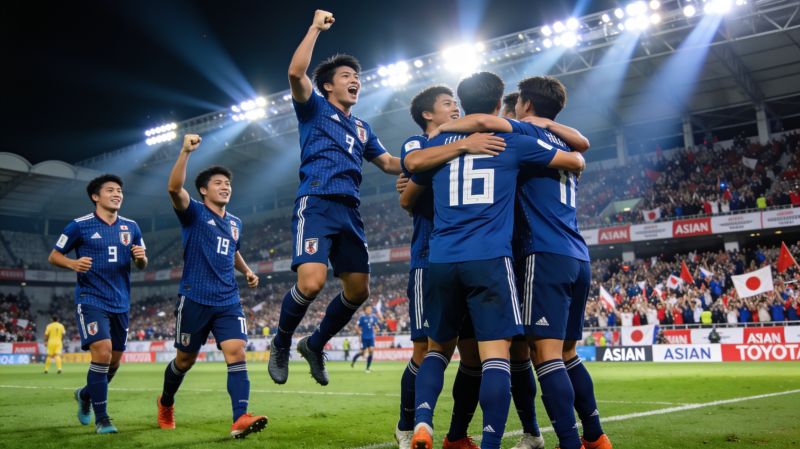
Summary: Vissel Kobe defeated Gamba Osaka 2–0 in the 2024 Emperor’s Cup final after a demanding knockout sche
Vissel Kobe completed the 2024 Emperor’s Cup campaign with a 2–0 victory over Gamba Osaka at Tokyo’s National Stadium on November 23, bringing the season to a decisive close. The result gave Kobe another major domestic honour and provided the clearest reference point for the Emperor's Cup 2024 Schedule, which began with regional clubs in late May and ended before the winter break. The final was played in front of a strong holiday crowd, with Kobe controlling the decisive stages rather than relying on a late scramble. For supporters tracking the Emperor's Cup 2024 Schedule。the competition offered a familiar contrast: early ties in smaller venues, followed by increasingly demanding fixtures against J1 opposition. That uneven path is part of the tournament’s appeal. A university side or lower-division team can earn national attention in one afternoon, while established clubs must survive the pressure of being expected to win.The opening section of the Emperor's Cup 2024 Schedule was spread across May 25–26 and June 1–2。
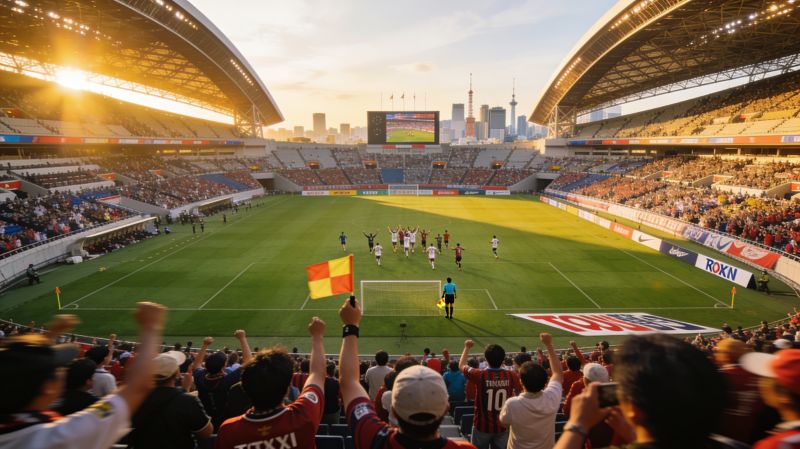
allowing prefectural representatives and amateur teams to enter the national field. The second round followed on June 12, when J1 League clubs joined the competition. That point on the Emperor's Cup 2024 Schedule traditionally changes the mood around the tournament. Lower-ranked teams arrive with nothing to lose, while top-flight managers often face a difficult selection call between regular starters and squad players seeking minutes. A single poor clearance or penalty shootout can erase months of league work. Several first-round matches were staged away from Japan’s biggest football markets, where modest grounds and close touchlines created a different atmosphere from the polished surroundings of National Stadium. The Emperor's Cup 2024 Schedule therefore works as more than a list of dates;it maps a national football network that reaches well beyond the J.League’s headline venues.July 10 marked the third round in the Emperor's Cup 2024 Schedule, with the tournament moving into a sharper competitive phase. By then, the gap between surprise packages and established sides had become easier to measure. Clubs had less room to rotate heavily, and travel demands began to matter, particularly for teams balancing league fixtures and continental commitments. The round of 16 was set for August 21, a date that placed knockout football in the middle of Japan’s hot and humid summer. That detail shaped preparation. Coaches had to manage hydration。recovery and substitutions as carefully as tactics. Looking back at the Emperor's Cup 2024 Schedule, the August stage was one of the competition’s most revealing checkpoints. Teams that handled the heat and the emotional pressure moved into the final eight, while those that treated the cup as a secondary project paid for it quickly. In knockout football, there is no second meeting to repair a bad night.The quarterfinals were scheduled for September 18。
followed by the semifinals on October 27, according to the Emperor's Cup 2024 Schedule. The longer gaps between these rounds gave surviving teams time to prepare, but they also raised the stakes around injuries and league form. By September, every match carried a clearer strategic cost. A club pushing for a J1 title could not simply ignore the cup, yet an exhausted squad risked dropping points elsewhere. The Emperor's Cup 2024 Schedule exposed that balancing act in a way league tables cannot. The semifinals then reduced the national field to two matches and placed the finalists within reach of the National Stadium. For Gamba Osaka, the run created a chance to reclaim a major title;for Vissel Kobe, it offered an opportunity to confirm their growing status as one of Japan’s most reliable big-game teams. Their contrasting routes added useful tension to the closing week.
The final date, November 23, gave the Emperor's Cup 2024 Schedule a clean and highly visible ending. Kobe’s 2–0 win over Gamba Osaka settled the tournament without extra time and confirmed the club as the 104th Emperor’s Cup champion. The occasion also showed why the schedule remains important to Japanese football beyond the final score. It connects amateur ambition, regional identity and professional intensity in one continuous knockout competition. Fans following the Emperor's Cup 2024 Schedule could watch a small club make its mark in May, then see the country’s strongest teams fight through the late rounds under national scrutiny. That progression is not always neat。and it can produce awkward travel, postponed plans and uneven match quality. Yet those imperfections give the tournament its character. The 2024 edition delivered the expected drama, but Kobe’s composed finish made the final statement: surviving the schedule mattered as much as dominating the final.