Summary: Japan U23 Football combines Asian success, disciplined tactics and a growing youth pathway while tar
Japan U23 Football has strengthened its reputation as one of Asia’s most disciplined development systems after a series of results that combined technical quality with late-game resilience. The clearest example came at the 2024 AFC U-23 Asian Cup in Qatar, where Japan defeated Uzbekistan 1-0 in the final through Fuki Yamada’s stoppage-time goal. Goalkeeper Leo Kokubo then saved a penalty。preserving a victory that reflected the team’s balance rather than simple attacking flair. For Japan U23 Football, that night offered a compact picture of the national approach: patient circulation, quick defensive recovery and a willingness to trust young players in tense moments.The team’s progress is also linked to the increasingly competitive environment surrounding Japan U23 Football. Several squad members had already played regular minutes in the J.League, while others were gaining experience in European academies and senior squads. That mixture gave Japan a sharper understanding of tempo, especially against opponents that rely on physical duels and direct transitions. Midfielders were often asked to receive the ball under pressure and turn quickly, rather than simply protect possession. In the final in Doha。
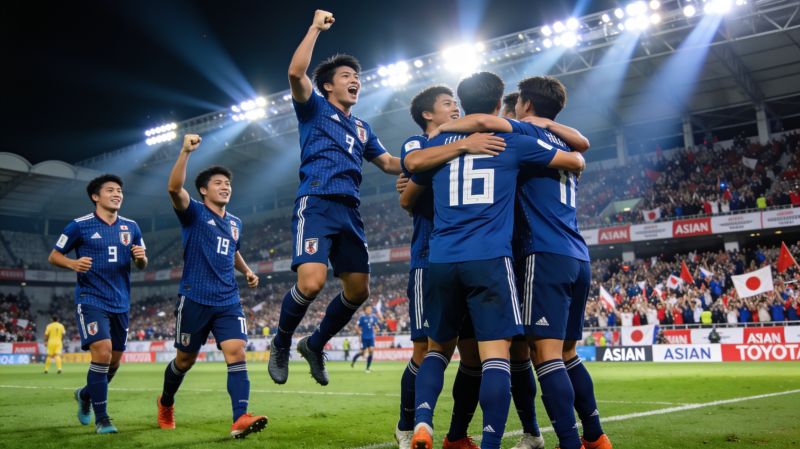
Japan’s structure became more important as the match grew tight. Uzbekistan created danger late, but Japan kept its defensive lines close and avoided the panic that has hurt younger teams in previous tournaments.Japan U23 Football entered the Paris Olympic cycle with high expectations, and the tournament exposed both its promise and its limitations. Japan opened the competition with energetic performances and a convincing group-stage record, but the quarter-final against Spain ended in a 3-0 defeat. The scoreline was harsh in places, yet it also showed the difference between controlling a regional match and surviving against an opponent with elite movement。pressing and individual quality. Japan struggled to turn promising possession into clear chances, while Spain punished small gaps between the midfield and back line. For Japan U23 Football, the loss was less a collapse than a useful warning: technical competence must be matched by greater physical maturity and more decisive play around the penalty area.Coaching decisions remain central to the next phase. Japan U23 Football has traditionally benefited from clear positional roles, but the strongest recent performances have included more flexibility. Full-backs pushed high when the midfield could cover them。wingers moved inside to create passing lanes, and forwards were expected to press rather than wait for service. That approach has made Japan harder to read, although it can leave space behind the full-backs when possession is lost. The challenge for Japan U23 Football is to keep its passing identity without becoming predictable. In practical terms, that means developing players who can change the rhythm of a match, carry the ball through pressure and take responsibility when a carefully designed plan stops working.There is a quieter reason for optimism around Japan U23 Football: the pathway between youth teams, domestic clubs and the senior national side is becoming more visible. Young players are no longer treated as distant prospects;
many are being tested early in high-pressure league matches. That exposure should raise the standard of Japan U23 Football before the next Asian campaign, when opponents will arrive with a clearer plan to disrupt Japan’s buildup. The team still needs more attacking variety and greater authority in decisive matches, but its recent record suggests a foundation strong enough to support another generation. The next step will not be measured only by medals. It will be judged by whether Japan can produce players ready to influence senior international football when the stakes are highest.